


Inspaction & Testing
Periodic Inspection and Testing (sometimes referred to as Periodic Electrical Inspection) is a
procedure completed by qualified electricians and is carried out to ensure that the installation is safe and has not deteriorated.
The purpose of periodic inspection and testing is to provide for:
- the safety of persons and livestock against the effects of electric shock and burns in accordance with Regulation 131.1
- protection against damage to property by fire and heat arising from an installation defect
- conformation that the installation is not damaged or deteriorated so as to impair safety
- the identification of installation defects and non-compliance with the requirements of the Regulations
Visual Inspection
Unlike an initial verification, the periodic inspection should not be intrusive. Before starting the process, the extent and limitation of the inspection must be agreed with the person ordering the work. A minimum of 10% of the installation should be inspected, but if faults are found than this could increase. This is up to the judgement and experience of the inspector.
During visual inspection we would look at the installation with regard to:
- Safety
- Age
- Deterioration
- Corrosion
- Overload
- Wear and tear
- Non-compliance with regulations
Periodic Testing
In a case where the original Electrical Installation Certificate or the latest Electrical Installation Condition Report is available, the level of testing is usually far less for periodic inspection and testing then for initial verification testing.
In most cases however, past documents are either missing or incomplete. If this is the case than 100% of the installation must be tested with the full sequencing.
There is no set sequence for the testing which may be required to complete the Electrical Installation Condition Report. This is up to the judgement of the person carrying out the periodic inspection and testing process. However, we would advise the same sequence of tests as in the initial verification.
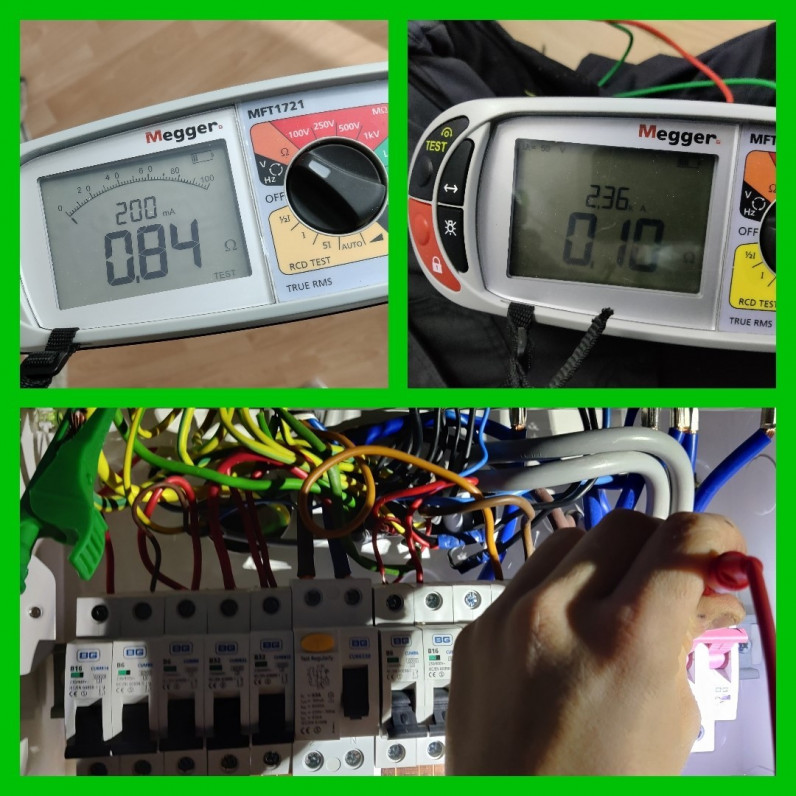
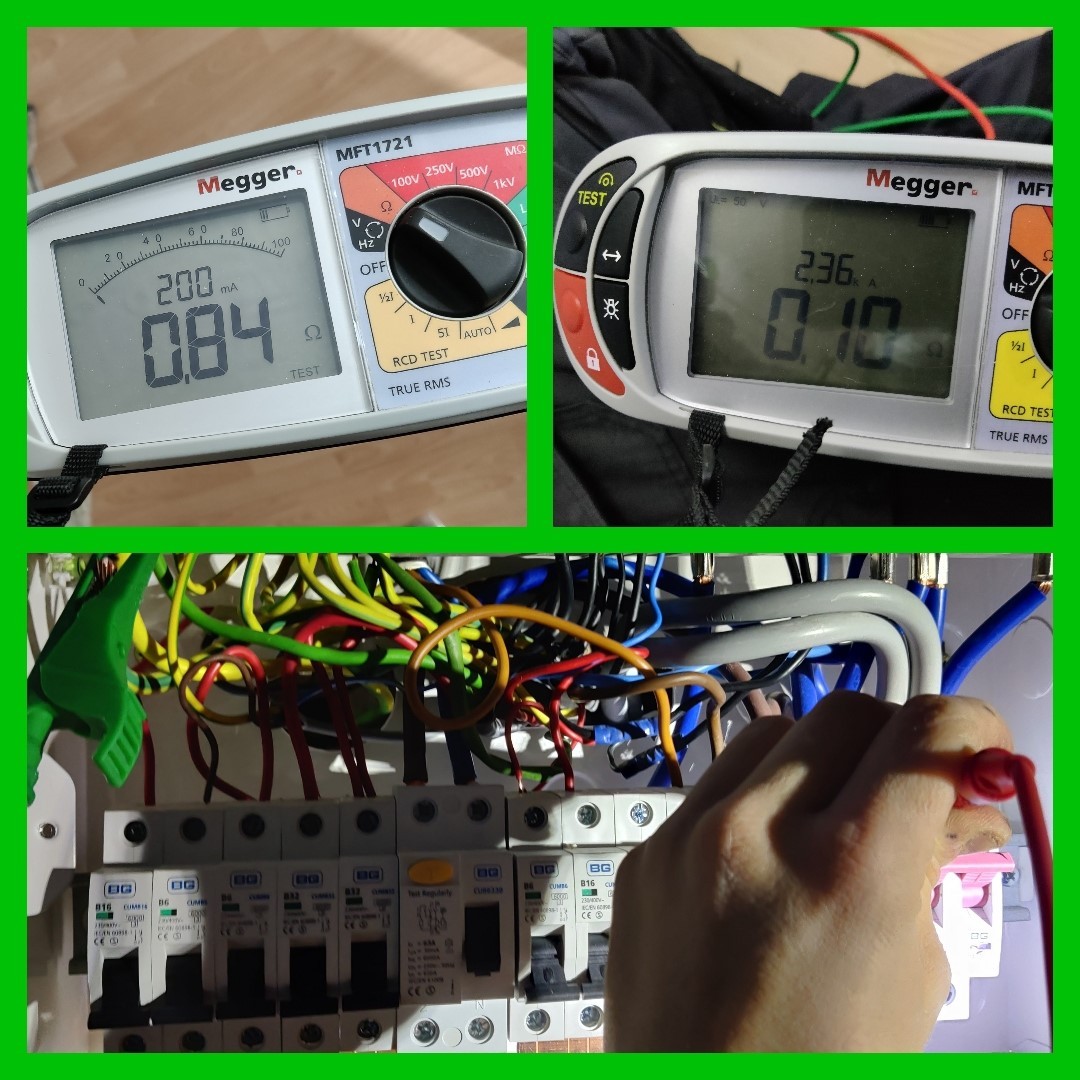
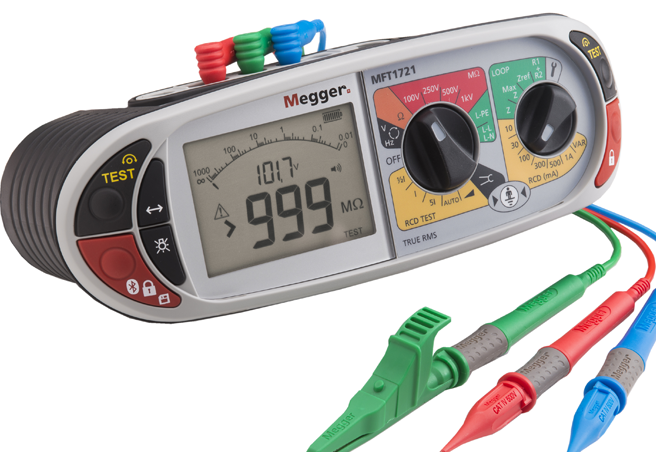
When it comes to Testing and Inspection or fault finding, I use the Megger MFT1721, is well known in the industry and is associated with top quality and features, its literally is a household name in the electrical industry
All my testing equipment are calibrated once a year
(Calibration certificate is kept safely with my tester if request by customer or NICEIC Assessor)
ELECTRICAL INSTALLATION CONDITION REPORT
ELECTRICAL INSTALLATION CERTIFICATE
MINOR ELECTRICAL INSTALLATION WORKS
The Minor Electrical Installation Works Certificate is intended to be used for additions and alterations to an installation that do not extend to the provision of a new circuit. Examples include the addition of socket-outlets or lighting points to an existing circuit, the relocation of a light switch etc
An Electrical Installation Condition Report (EICR) is a report carried out to assess the safety of the existing electrical installation within a property and is used to describe its condition. Parts of the system that are reported on include consumer units, protective bonding, lighting, switches and sockets etc. Its purpose is to confirm as far as possible whether or not the electrical installation is in a safe condition for continued service.
The EICR will show whether the electrical installation is in a 'satisfactory' or 'unsatisfactory' condition and will detail a list of observations affecting the safety or requiring improvements.
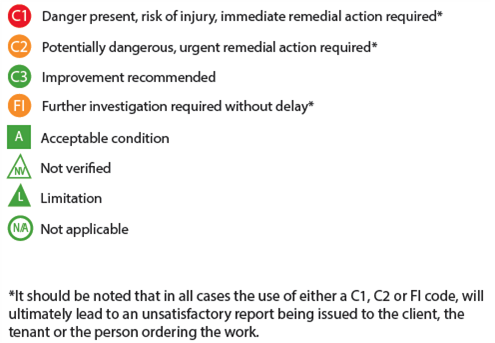
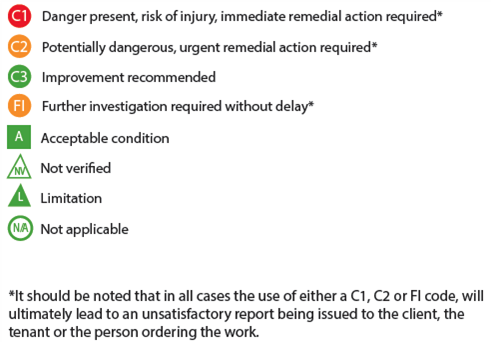
These observations will be supported by codes.
Unsatisfactory Codes are:
Action is required if the EICR issued is unsatisfactory. If an EICR contains a C1, C2 or FI code, it is unsatisfactory.
If a C1 is discovered, the electrician will often take action using temporary measures to make the dangerous installation safe. Then, as is also the case with a C2 or FI code, it is the owner’s responsibility to organise a repair, replacement or further investigation within 28 days.
A C3 code, 'improvement recommended', is given to aspects of the installation that do not present a danger but will result in an increased safety standard within the property. Occasionally a C3 code may be attributed to an item that does not comply with current regulations but did comply at the time it was installed. A C3 code does not mean the installation is unsafe and should not impose a requirement to have work carried out on the owner. Where there are only C3 observations listed, this will result in a satisfactory EICR being issued.
The Electrical Installation Certificate is a form that is issued to a homeowner or landlord to confirm that any new electrical installation work is in accordance with the UK regulations. It is important to note that the electrical work is inspected by a qualified electrician and tested in accordance with BS7671.

ELECTRICAL SERVICES